

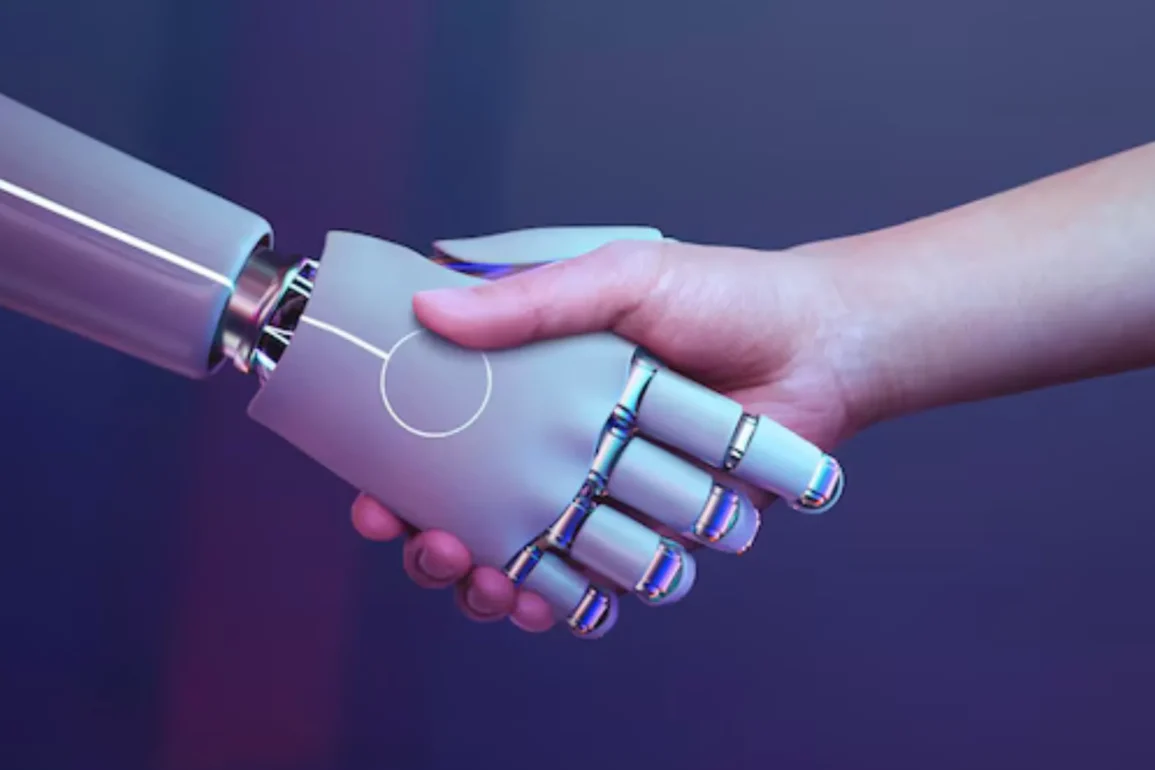
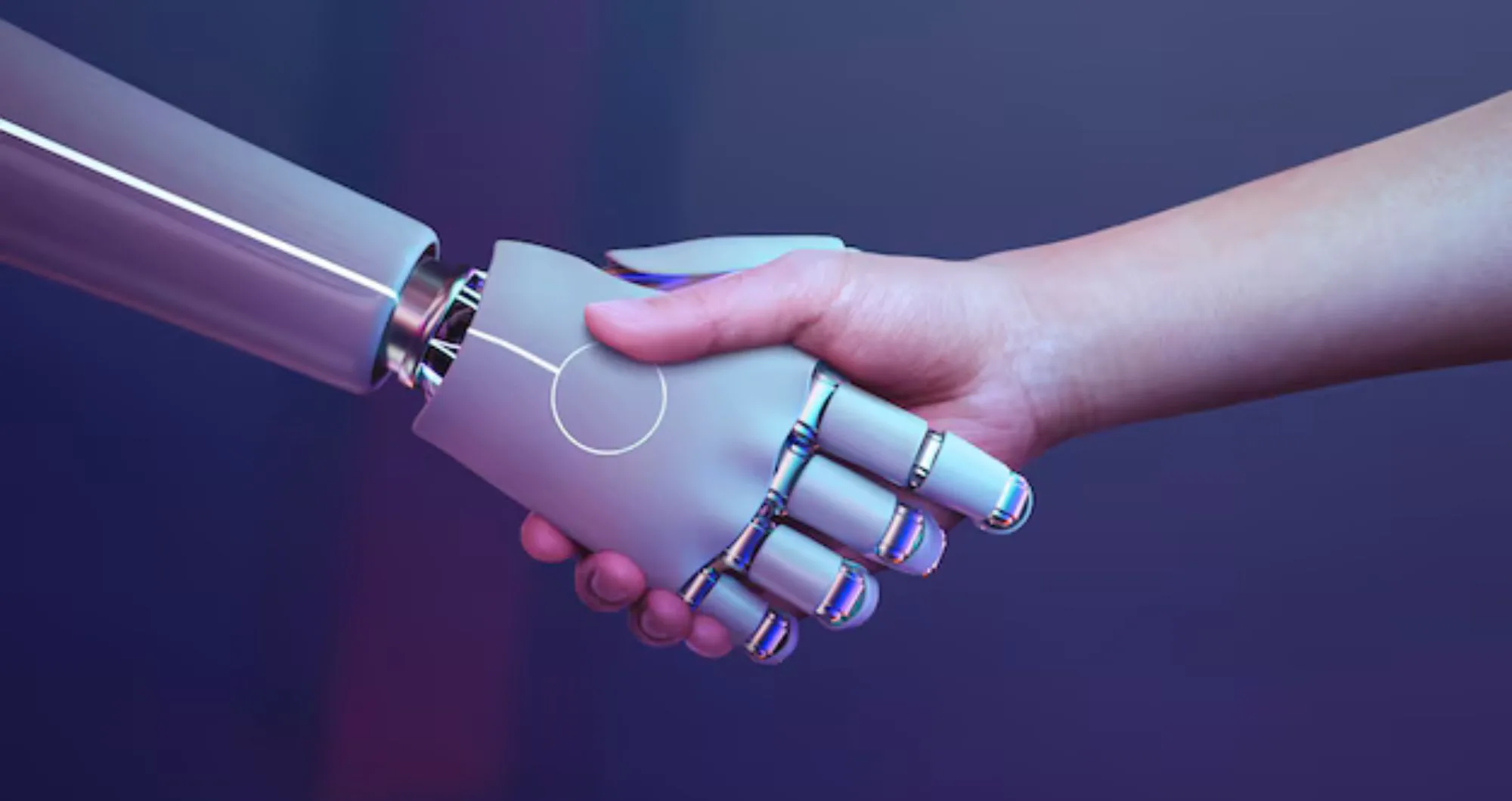
Artificial Intelligence (AI) and automation are revolutionising industries across the globe, and the fashion industry is no exception. From design and manufacturing to retail and customer experience, these technologies are reshaping how fashion brands operate and interact with consumers.
In the context of luxury fashion, particularly handbags and accessories, AI and automation are playing a pivotal role in enhancing creativity, efficiency, and personalisation. This article explores the multifaceted impact of AI and automation on the fashion industry, with a focus on their implications for luxury handbags and the broader market.
1. AI in Design and Creativity
a. Trend Forecasting and Design Inspiration
AI is transforming the way designers conceptualise and create new collections. By analysing vast amounts of data from social media, runway shows, and consumer behavior, AI algorithms can identify emerging trends and predict what styles will resonate with consumers. For luxury handbag brands, this means designers can create pieces that align with current tastes while maintaining the brand’s unique identity.
For example, AI tools like Heuritech and WGSN use machine learning to analyse images and text, providing designers with insights into colour palettes, materials, and shapes that are gaining popularity. This allows brands like Louis Vuitton, Gucci, and Hermès to stay ahead of the curve while reducing the risk of producing designs that may not sell.
b. Generative Design
AI-powered generative design tools are enabling designers to explore new creative possibilities. Platforms like Adobe Firefly and Runway ML use AI to generate unique patterns, textures, and even entire handbag designs based on input parameters. This not only speeds up the design process but also encourages innovation by presenting designers with ideas they may not have considered.
For instance, a designer could input specific materials, colours, and functional requirements into an AI tool, which would then generate multiple design options. This is particularly useful for creating limited-edition or custom handbags that cater to niche markets.
2. Automation in Manufacturing and Production
a. Precision and Efficiency
Automation is streamlining the production of luxury handbags, which often require meticulous craftsmanship. Robotic systems and automated machinery can handle tasks such as cutting leather, stitching, and assembling components with unparalleled precision. This not only improves efficiency but also ensures consistency in quality, which is crucial for maintaining the reputation of luxury brands.
For example, Chanel and Hermès have integrated automated systems into their production lines to handle repetitive tasks, allowing skilled artisans to focus on more intricate aspects of handbag creation, such as hand-stitching and finishing.
b. Sustainable Production
AI and automation are also contributing to more sustainable practices in the fashion industry. By optimising material usage and reducing waste, these technologies help brands minimise their environmental impact. For instance, AI algorithms can calculate the most efficient way to cut leather patterns, reducing scrap material. Additionally, automated systems can monitor energy consumption and emissions, enabling brands to adopt greener manufacturing processes.
Luxury brands are increasingly under pressure to address sustainability concerns, and AI-driven automation offers a way to balance high-quality production with eco-friendly practices.
3. Enhancing the Retail and Customer Experience
a. Personalized Shopping
AI is revolutionising the way consumers shop for luxury handbags. By analysing customer data, such as purchase history, browsing behavior, and preferences, AI-powered systems can provide personalized recommendations. For example, if a customer frequently browses for crossbody bags in neutral tones, an AI-driven platform can suggest similar styles or complementary accessories.
Brands like Gucci and Louis Vuitton have implemented AI chatbots and virtual assistants to enhance the online shopping experience. These tools can answer customer queries, provide styling advice, and even offer virtual try-ons using augmented reality (AR).
b. Virtual Try-Ons and Customisation
AI and AR technologies are enabling customers to visualise how a handbag will look before making a purchase. Virtual try-on tools, such as those offered by Dior and Burberry, allow users to see how a bag pairs with their outfit or fits their body type. This not only enhances the shopping experience but also reduces the likelihood of returns, which can be costly for brands.
Additionally, AI is facilitating customisation options for luxury handbags. Customers can use online platforms to select materials, colours, and hardware, creating a truly unique piece. This level of personalisation is particularly appealing to younger consumers who value individuality and self-expression.
4. Combating Counterfeits with AI
a. Authentication and Fraud Detection
Counterfeit luxury handbags are a significant issue for brands and consumers alike. AI is playing a crucial role in combating this problem by enabling faster and more accurate authentication. For example, brands like Chanel and Hermès are using AI algorithms to analyse the subtle details of their products, such as stitching patterns, logos, and materials, to distinguish authentic items from replicas.
In the resale market, platforms like The RealReal and Vestiaire Collective use AI to verify the authenticity of pre-owned luxury handbags. This not only protects consumers but also preserves the integrity of the brand.
b. Supply Chain Transparency
AI is also enhancing supply chain transparency, making it easier to track the journey of a handbag from production to purchase. Blockchain technology, often integrated with AI, allows brands to create digital records of each product’s origin, materials, and manufacturing process. This level of transparency helps combat counterfeiting and assures consumers that they are purchasing genuine items.
5. The Future of AI and Automation in Fashion
As AI and automation continue to evolve, their impact on the fashion industry will only grow. Here are some potential future developments:
a. Hyper-Personalisation
AI could enable brands to create hyper-personalised handbags tailored to an individual’s exact preferences, body measurements, and lifestyle. This could involve using 3D body scanning technology and AI algorithms to design bags that fit perfectly and meet specific functional needs.
b. On-Demand Production
Automation could facilitate on-demand production, where handbags are made only after an order is placed. This would reduce overproduction and waste, aligning with the growing demand for sustainable fashion.
c. AI-Driven Sustainability
AI could play a key role in helping brands achieve their sustainability goals. For example, AI could optimise recycling processes, identify eco-friendly materials, and predict the environmental impact of different production methods.
Conclusion
AI and automation are transforming the fashion industry in profound ways, from design and production to retail and sustainability. For luxury handbag brands, these technologies offer opportunities to enhance creativity, efficiency, and customer engagement while addressing challenges such as counterfeiting and environmental impact. However, as with any technological advancement, it is essential to balance innovation with ethical considerations, ensuring that AI and automation are used responsibly and transparently.
This post was originally published on this site be sure to check out more of their content.