

BLACK BRITISH women are calling for an urgent ban on toxic ingredients that are used in a number of Black hair care products which have been linked to cancer.
These include popular hair products such as chemical relaxers that straighten Afro-textured hair which contain lye, a chemical also known as sodium hydroxide, which is also used to unblock drains.
Other Black hair products have been found to contain endocrine disrupting chemicals (EDCs), which are natural or man-made chemicals that mimic or interfere with the body’s hormones, known as the endocrine system.
These have been linked to an increased risk of uterine cancers, fibroids, reproductive health issues and early menstruation in studies.
Now campaign to remove harmful chemicals from Black hair products is gaining momentum as pressure mounts on manufacturers to act.
Toxic hair ingredients
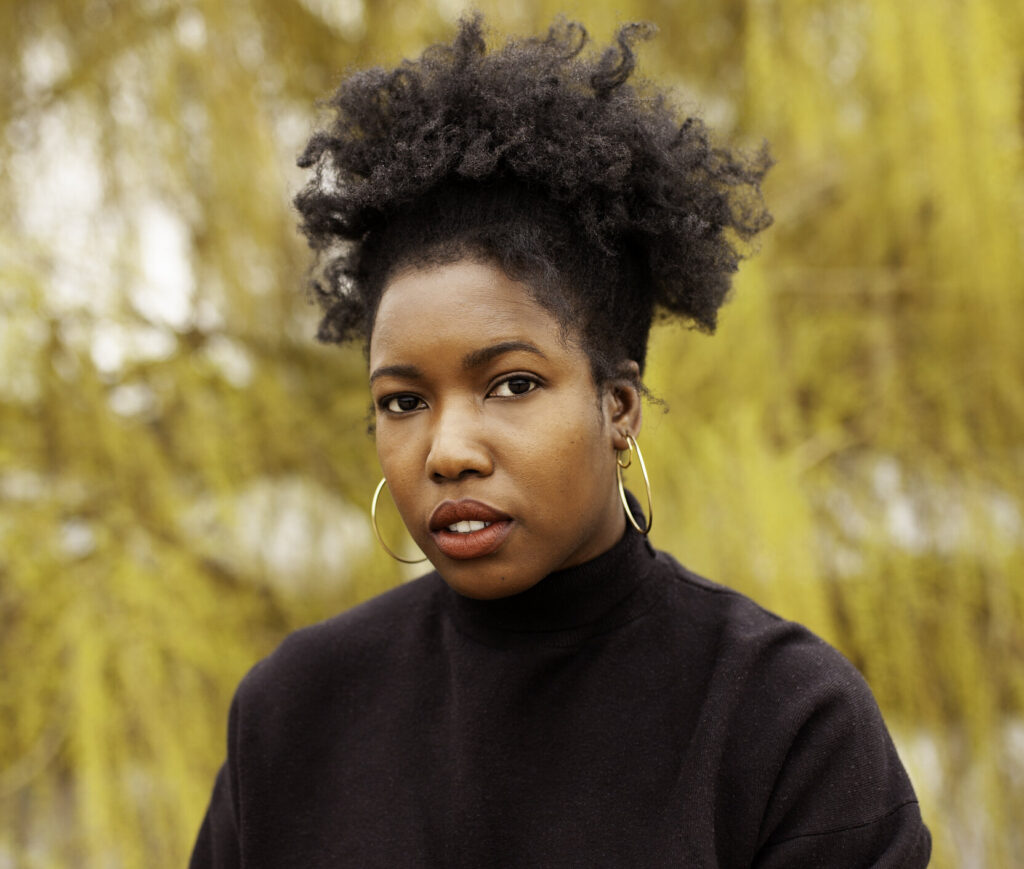
The #NoMoreLyes campaign led by feminist group Level Up, is calling on leading hair and beauty company L’Oréal to eliminate toxic ingredients from hair relaxers linked to serious health risks, including uterine cancer and fibroids.
The group has written an open letter to L’Oréal demanding transparency about the ingredients it uses in its products, but other campaigners on this issue say stronger action is needed to protect Black women from the long-term health consequences of toxic hair products.
Seyi Falodun-Liburd, co-director of Level Up, told The Voice: “Toxic ingredients in our hair relaxers leave us vulnerable to all sorts, more research is linking use of hair relaxers to uterine cancer, fibroids and other endocrine-disrupting illnesses in Black women.
“Our campaign is calling on L’Oréal to either make hair relaxers safe or to remove them from the shelves.”
The #NoMoreLyes campaign started in 2021, following the publication of research from Oxford University which found that Black women who used lye-based relaxers at least seven times a year for over 15 years or more had around a 30% increased risk of developing breast cancer.
#NoMoreLyes
#NoMoreLyes’s own 2022 survey found that 95% of Black British women don’t trust beauty brands that sell lye-based relaxers.
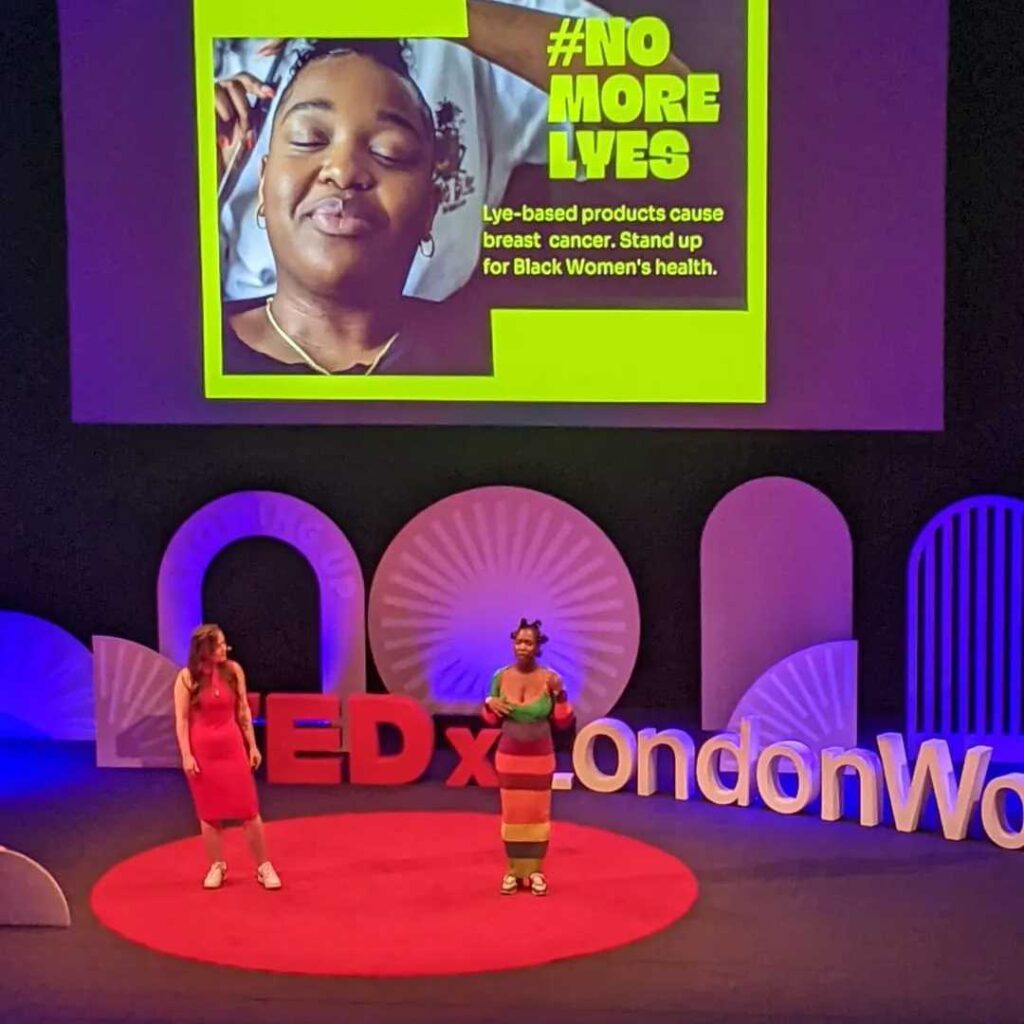
The campaigner believes the negative hair care experiences Black women have should act as a stark warning.
“We did a landmark study in 2022 in the UK, and we found that two out of three Black women in the UK have had negative experiences with hair relaxers including severe burns and permanent hair loss” she said.
“Before it can develop as uterine cancer or more devastating illnesses you are seeing manifestations of the toxicity of these chemicals in the hair relaxers.”
Family traditions
But despite the growing evidence that some hair products pose a danger to our health, Falodun-Liburd says it will be difficult for Black women to change haircare routines as they are steeped in family traditions and cultural practices.
“For a lot of us, the ways we take care of our hair are hair practices, they are passed down generationally, from grandmother to mother, to daughter,” she says.
She wants those in the community to check labels more diligently, but also believes manufacturers have a responsibility to put warnings on dangerous products – similar to what is now printed on cigarette boxes in Britain.
“There are a lot of hair relaxers that say no Lye in the product but when you look in the ingredients list sodium hydroxide is listed, which is the chemical name for Lye, literally the stuff that you use to unblock drains,” she said.
“So that even when Black women feel like they are making a conscious decision that they think is healthier, it’s still not a choice that we have because of the packaging and marketing is misleading.”
#NoMoreLyes’s open letter was signed by many high-profile names including Dawn Butler MP and author Renni-Eddo Lodge and over 6000 people have signed the campaign group’s petition calling for change.
Chemical relaxers break down the natural protein in hair for it to be straightened and it can leave users with burns and scarring.
Rites of passage
Falodun-Liburd revealed that at just nine years old she got her first relaxer after the hair dresser accidently gave her a full relaxer instead of just making her hair ‘easier to manage’, which left her mum angry.
“It was almost like a rite of passage it was just something that you did, kind of like a sign of my transition to adolescence as a teenager” she recalled. “It felt like part of becoming a woman,” she added.
She repeated the procedure again in her teenage years but this time the experience did not go well.
“I was having a bad reaction to hair relaxers where parts of my hair at the back were falling out, when that happened, I did the big chop and cut off all of my hair and started from scratch.
“There are a lot of Black women who have had those experiences, they are having severe hair loss, their hair is breaking, it’s brittle, it’s unhealthy and so they have to start again.”
Around 15 years ago, Falodun-Liburd decided to go natural and hasn’t looked back since.
Forbidden from using relaxers
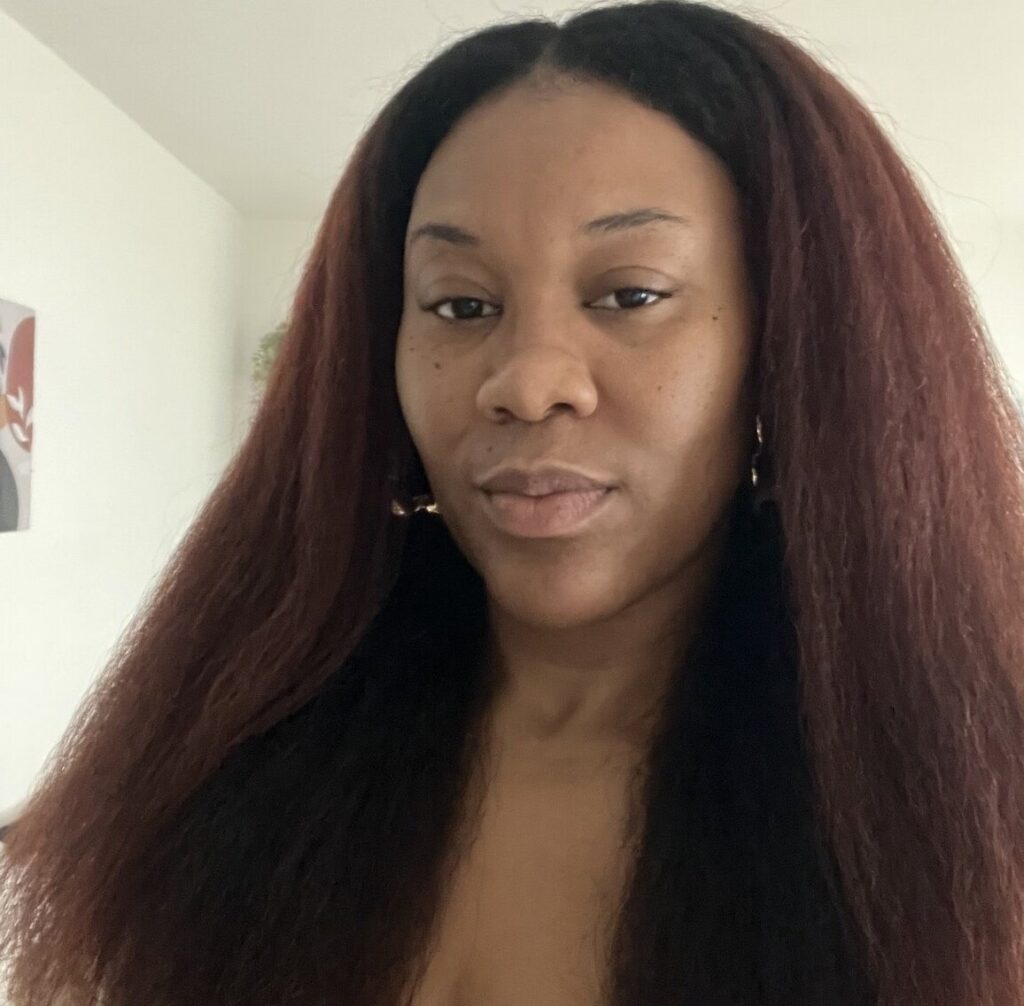
Falodun-Liburd’s experience is one that Richenda Polson, from Kent, can relate to. She was always forbidden from using relaxers growing up.
She told The Voice: “I was always told that relaxers damage my hair and to be honest, that’s what I saw.
“I saw many examples of people being burned by relaxers or experiencing hair loss.”
Polson ended up improperly using boxed hair dyes and straighteners which caused similar damage – leaving her with thin hair that was barely shoulder length.
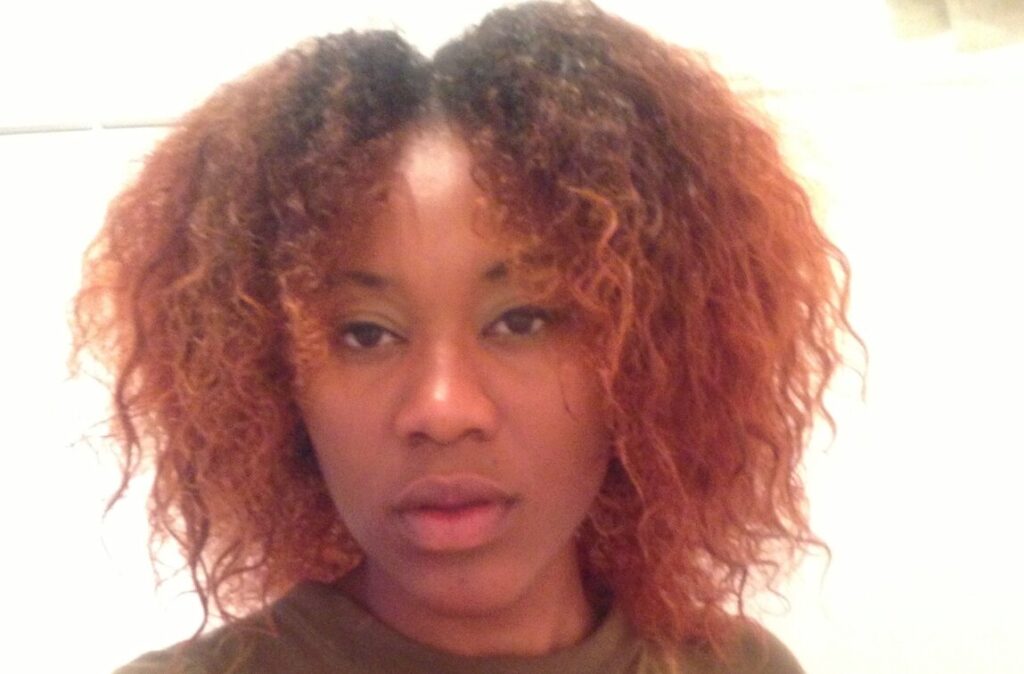
Now she keeps her hair routine very simple and has even started her own hair care brand – Golden Spice Cosmetics – which she uses.
“I alternate between clarifying and hydrating shampoo (sometimes both), regular protein treatments, trims ensuring my hair remains moisturised and in protective styles” she explained.
“I use my best-selling product, Spice Cream, which is a hydrating, moisturising leave-in conditioner that aids in this routine, specifically when wanting protective styling.
“My hair has flourished since following this routine and using my products.”
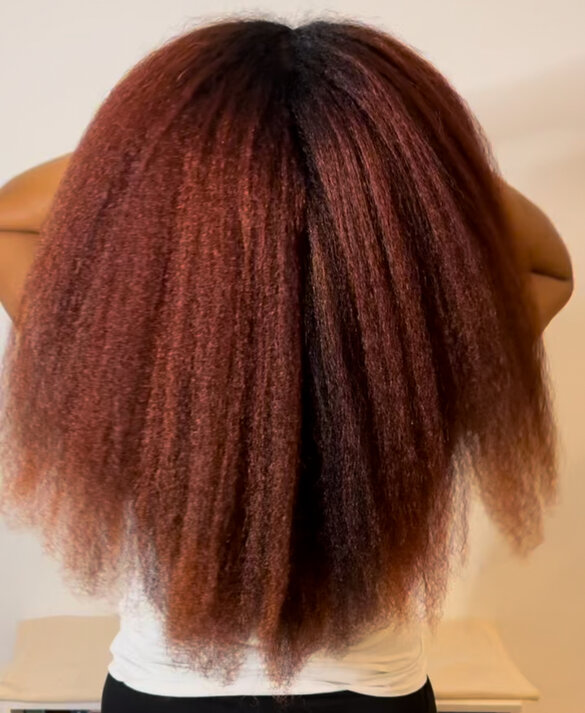
Polson is also backing the growing call for a ban on harmful ingredients in hair products.
“The harmful stuff is cheaper but there are alternatives, and we need to be using them,” she said.
Links to health issues
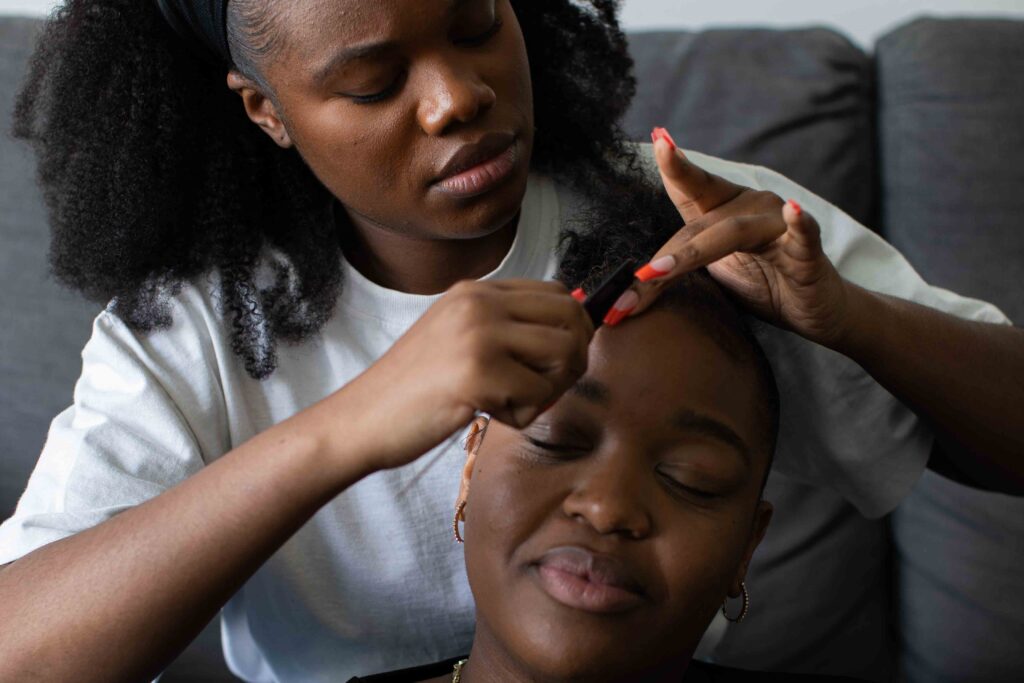
Researchers at the National Institute of Health (NIH) in America, found in a recent study that women who use chemical hair straighteners and relaxers were twice as likely to develop uterine cancer in comparison to women who did not.
In October 2024, Jenny Mitchell, a 32-year-old African American woman from Missouri, filed a lawsuit against five hair relaxer manufacturers, including L’Oréal USA, claiming the products caused her to develop uterine cancer.
There was no history of the disease in Mitchell’s family and she told reporters she started using hair relaxer products in 2000.
She had a full hysterectomy to remove her uterus, shattering her dreams of being able to carry her own children.
America’s Food and Drug Administration (FDA) has announced plans to propose a ban of the use of formaldehyde as an ingredient in hair relaxers and straightening products, citing evidence of its links to an increased risk of hormone-related cancers.
However, this ban – which was scheduled to be implemented in April 2024 – has been repeatedly delayed and has not yet come into force, angering scientists and researchers, who believe drastic action is needed to help protect the health and future of Black women and girls.
Research
Jasmine McDonald PhD is an associate professor of Epidemiology at Columbia University Mailman School of Public Health based in the US.
She told The Voice: “The European Union has much stricter regulations on the products that are allowed to be sold than the United States.
“When it comes to hair relaxers, I think there should be some type of warning or type of indicator that the product has been associated with cancer.
“However, that is just not done.”
Dr McDonald is also calling for clearer labelling on hair products, so that ingredients do not remain “unclear”, “unknown” and “untested”.
She added Black women are at greater risk from endocrine disruptor chemicals in hair products as “a lot of this use is not just a one-time thing, it is chronic use, especially when it comes to Black women and it may be used at earlier ages.
“The problem is there is not enough awareness of what’s in these products and a warning of their association with adverse health effects.”
Dr McDonald is also concerned that the known harmful chemicals will be replaced with newer ones, where it is not yet known how they will impact women’s health.
“Now you have replacement chemicals that are coming in, you don’t know the history of those types of chemicals because they are very new,” she said.
Multi-million pound industry
Black British women spent £200 million on hair products in 2021, according to Treasure Tress – a leading Black haircare subscription service.
But despite the lucrative and booming market built off the backs of their spending power, those parting ways with their hard-earned cash are not being protected when they purchase the hair products they need.
This could stem from the fact that most of the Black hair products sold in the UK are imported from the US – which, as Dr McDonald said, does not have as stringent restrictions on the ingredients used to make them.
With products sold by a seller outside the UK there is a chance it may not be manufactured or labelled in accordance with British safety laws.
Even with stark warnings or a change in product labelling, some Black women will continue to use the products due to freedom of choice, creativity and self-expression and sadly societal pressures to adhere to European beauty standards.
Not professional enough
In 2025, many may feel pressure to straighten their hair because they fear losing employment opportunities as a result of the view that Black natural hair is not professional whether it be styled in twists, locks, cornrows, braids or an afro.
Historically, Black women’s magazines have been one of the main outlets where hair products have been advertised in the Black community.
However the lack of action from manufacturers may be changing.
Irene Shelley, Editor-In-Chief of Black Beauty and Hair Magazine and told The Voice, the natural hair movement driven by Black women and highly visible on social media has forced many companies to reassess their product ingredients.
“Companies have made in-roads in reducing parabens, phthalates, and silicones in haircare products due to the natural hair movement” she said.
“Most Afro haircare brands now offer natural hair ranges that don’t contain harmful ingredients.
“So yes, harmful ingredients should be banned or if they are not banned, they should be slapped with a health warning label, as California does with cancer-causing chemicals.”
Shelley also said products marketed to Black women were “designed to meet a specific beauty standard – altering hair texture and skin colour” so they have contained harsh chemicals which negatively impact health.
“Coupled with the fact that we also use beauty products at a higher rate than our White counterparts, further exposes us to chemicals linked to reproductive health issues like uterine cancer and fibroids” she said.
Protect consumers
The Office for Product Safety and Standard (OPSS) is the UK’s national product regulator, within the Department for Business and Trade (DBT).
A Department for Business and Trade (DBT) spokesperson said: “All hair products sold on our market, including those imported from the US, are subject to strict laws to ensure people’s safety and protect consumers from misleading claims.
“Distributors including hair shops must check that the products they sell comply with these regulations and should take immediate action if they are made aware of any noncompliance.”
Any consumer concerned that a hair product they have purchased is not compliant with regulation should contact their local Trading Standards office or Citizens Advice.
There is a full list of over 1500 substances prohibited in cosmetic products available the Government’s legislation website.
Some of the banned chemicals on the list are:
Benzidine, Carbromal, Fluoresone, Dihexyl phthalate and Trichloroacetic acid.
There is also a list of substances which cosmetic products must not contain expect subject to the restrictions laid down.
For the full details please visit: https://www.legislation.gov.uk/eur/2009/1223/contents
This post was originally published on this site be sure to check out more of their content.