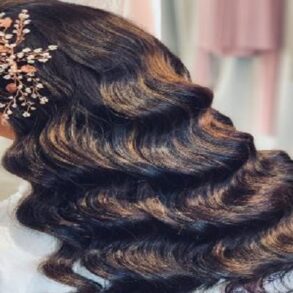


As I got blonde crochet braids installed for the first time a couple of years back, I remember my hair anxiety was through the roof – would I even suit having blonde hair? After all, nobody wants to spend hours in a salon chair and then not like what they see when their stylist is finished. Thankfully, this wasn’t the case – I loved it. So much so that I had the same style of crochet braids reinstalled time after time since then.
Back in 2023, this felt like a big change for me, a real statement, but now, I am one of many Black women who are experimenting with blonde hair. Beyond the celebrities we are used to seeing, now TikTok is full of videos from Black women who are tapping into the trend. The appeal? The fact that there is a blonde shade for everyone. The perception around being a Black woman with blonde hair has changed through the years and this, met with advances in the hairdressing space which offers bespoke options for Black women who want to go blonde, means the space is flourishing.
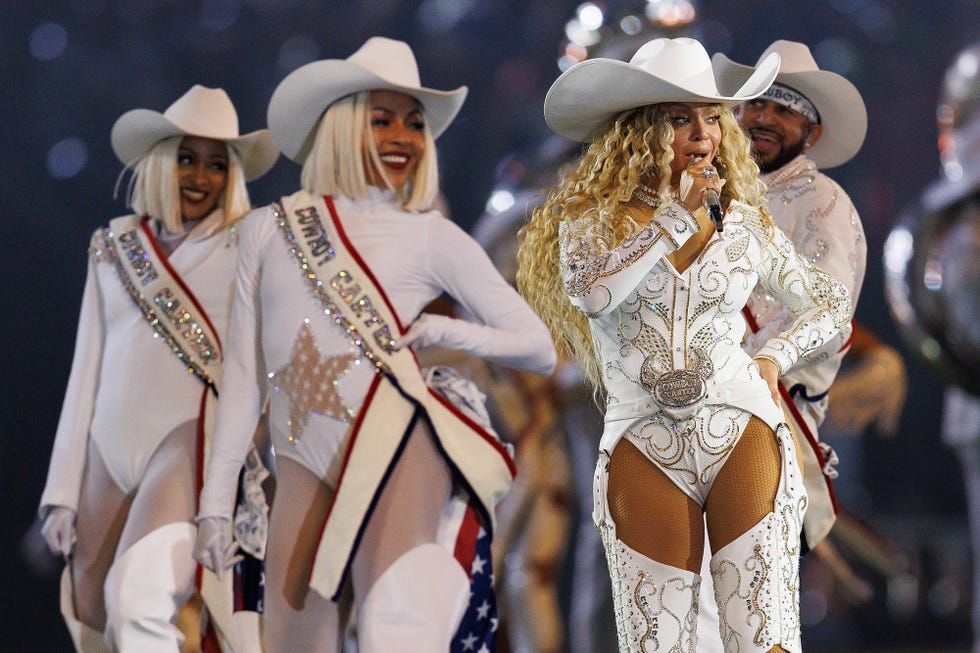
The rise in Black women opting to have blonde hair serves as a source of inspiration for other Black women who are thinking about making the change but aren’t sure how to go about it. Beyonce, Ciara, Zendaya, Rihanna, Kelly Rowland and Serena Williams are just some of the celebrities who have gone blonde, but seeing blonde hair on Black skin in real life is encouraging. Blonde hair has the ability to elevate any look with a fresh and vibrant touch and speaking from experience, mine made me feel more confident than I have ever been.

Hair theory could have a part to play in someone’s decision to go blonde. Blonde hair has been linked to youthfulness, approachability and being fun-loving but some people think it’s just another way in which Black women are adhering to western beauty standards. I don’t think this is the case. In my opinion, Black women are able to put their own influence on any trend and the emergence of this trend isn’t just about going blonde, but it’s about finding a shade of blonde that compliments your undertone and overall aesthetic.
For Black women, hair is part of our identity and we should have the freedom to express ourselves however we choose to. Blonde hair beautifully contrasts on Black skin so if you’ve found the shade that enhances your complexion, what have you got to lose? Entrepreneur Lindsey Tramel chose to dye her hair blonde because she wanted to reclaim her identity away from motherhood and being a wife but she did receive some mixed reactions for her new look. “I’m on active duty in the US Army and there have been a few double takes, side eyes and whispers. It’s safe to say that my blonde hair does draw attention but I refuse to dim my light because having blonde hair makes me feel alive,” she says.
Hair stylist Michelle Sultan dyed her hair blonde when she was at school because she wanted to be like Mary J Blige. “She was the OG blonde queen as far as I was concerned,” she adds. While Sultan dyed her hair blonde to emulate an artist she admired, children’s expert Chioma Fanawopa wanted to pay tribute to her late mother, who had blonde hair. “I wanted to keep her memory close and honour the connection we shared. I’ve received so many lovely compliments from people – they tell me it really suits me,” she said.
Sultan and Fanawopa haven’t received any backlash over their decision to go blonde. Surprising in some ways because there’s still a bit of stigma attached to experimenting with colour (and texture) with Afro-textured hair.
Sultan believes that people should be allowed to do whatever makes them happy with their own hair and although Fanawopa was hesitant about her decision at first (mainly that her hair colour would be too bright), she has found that her choice of blonde hue brings out more maturity in her look.

According to hairstylist Lorraine Dublin, the trend of Black women dying their hair blonde is here to stay, but maintenance is key for anyone who wants to achieve the look and keep their hair happy and healthy. “When dying textured hair, it’s important to get touch-ups done professionally every 6-8 weeks for short hair and every 3 months for longer hair. I highly recommend protein treatments as well as they help to restore strength to hair that’s been compromised by bleach,” she explains.
In addition to regular touch-ups, protein treatments and regular deep conditioning, moisturising treatments and minimising heat usage are also essential for bleached hair. And be prepared to wait for the perfect hue as this may not be achieved in one sitting. “If someone has a darker hair colour, then it will take some time for them to get the shade of blonde that they want. Mine took years to get to where it is now,” Sultan says.
For wig wearers who want to experiment with blonde hair, the cost will depend on the length and density of the hair. “A high-quality human hair blonde wig starts at around £500 and if you’re wearing it daily, you’ll need to wash it every two weeks with a sulphate-free shampoo or conditioner,” says Dublin. If you don’t fancy buying a ready-to-wear human hair wig, you can always buy a darker human hair wig and get it dyed in a blonde hue of your choice – just a note that the hair will need to be raw as raw hair can be dyed to any colour, including blonde.
Whether you wear your hair natural or you prefer to wear wigs, you can find something that works for you. And if you want to experiment with a bold and vibrant blonde hue, then so be it. Yes, keeping your hair happy and healthy is the most important thing of all, but the rise in more Black women experimenting with colour is a reminder of just how versatile our hair can be. To quote Sultan, “They say blondes have more fun and who am I to argue with that? YOLO!”
This post was originally published on this site be sure to check out more of their content.